Intro: Why Businesses Can’t Afford to Ignore Omni Channel Contact Centers in 2026
That’s where an omni channel contact center solution becomes a game-changer. By integrating all communication channels into a single, unified platform, businesses can increase sales, improve customer retention, and deliver consistent, high-quality support without missing a beat.
Whether you’re running a retail store, SaaS company, e-commerce brand, or BPO, adopting an omni channel contact center solution is no longer just an upgrade—it’s a necessity for staying competitive in 2025.
What is an Omni Channel Contact Center Solution?
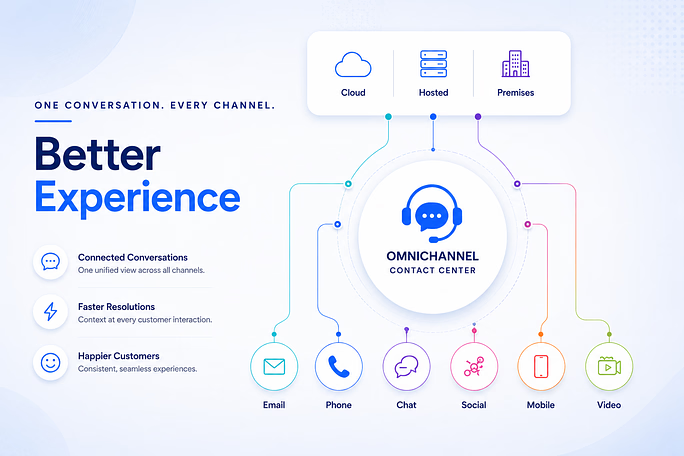
An omni channel contact center solution is a customer service platform that allows agents to handle conversations across multiple communication channels from one interface. Unlike a multi-channel approach, which treats each channel separately, omni-channel solutions sync customer interactions in real-time, so agents have full visibility of past conversations and customer history.
Example:
Imagine a customer starts a conversation on live chat, follows up via email, and finally calls your hotline. Instead of repeating their issue three times, the agent already has the full context from every channel—saving time and building trust.
5 Ways an Omni Channel Contact Center Solution Boosts Sales & Retention
1. Personalized and Consistent Customer Experience
Customers love being recognized and remembered. With a unified customer view, agents can tailor conversations based on purchase history, previous issues, and preferences—making each interaction feel personal. Personalization is proven to drive up to 40% higher revenue (McKinsey).
2. Faster Response Times Across All Channels
In 2025, speed is currency. A cloud-based omni channel contact center allows agents to reply instantly—whether the customer reaches out via WhatsApp, Instagram, email, or phone. According to HubSpot, 90% of customers expect an immediate response when they have a support question.
3. Data-Driven Upselling and Cross-Selling Opportunities
Every interaction is a chance to increase revenue. By tracking customer preferences and purchase behavior, agents can recommend relevant upgrades, add-ons, or complementary products—without being pushy. This proactive selling approach has been shown to increase average order value by up to 30%.
4. Higher First-Contact Resolution (FCR) Rates
The fewer times a customer has to follow up, the happier they are. An omni channel contact center solution helps resolve issues faster by giving agents complete context in a single dashboard. This not only boosts FCR rates but also strengthens brand loyalty.
5. Increased Customer Retention Through Consistent Follow-Ups
Retaining customers costs 5x less than acquiring new ones. With integrated CRM tools, businesses can automate follow-up emails, send re-engagement offers, and provide timely updates—keeping customers connected long after the initial sale.
Additional Benefits Worth Mentioning
- Agent Productivity: One interface means less switching between apps.
- Better Reporting & Analytics: Measure KPIs like CSAT, NPS, and response times easily.
- Scalability: Add new channels or agents without disrupting operations.
- AI Integration: Use chatbots for instant responses to FAQs, freeing agents for complex cases.
FAQs
Q1: What’s the difference between multi-channel and omni channel contact centers?
A multi-channel setup offers various communication options but doesn’t integrate them, while an omni channel contact center solution connects all channels so customer history flows seamlessly.
Q2: Can small businesses afford an omni channel contact center solution?
Yes! Many cloud-based platforms now offer flexible, pay-as-you-go pricing suitable for startups and SMEs.
Q3: How does it impact sales?
By providing a faster, more personalized experience, businesses increase conversion rates, repeat purchases, and overall customer satisfaction—directly boosting revenue.
Q4: What are the benefits of an omni-channel contact center?
An omni-channel contact center improves customer experience by unifying voice, email, live chat, SMS, and social media into one platform. This helps agents respond faster, personalize interactions, and resolve issues more efficiently.
Q5: Which communication channels should an omni-channel contact center support?
A modern omni-channel contact center should support phone calls, email, live chat, SMS, social media messaging, video, and self-service channels, allowing customers to switch between them without losing conversation history.
Q6: How does an omni-channel contact center improve agent productivity?
An omni-channel contact center provides agents with a single interface for managing all customer interactions. This reduces app switching, eliminates repetitive tasks, and gives agents complete customer context for faster resolutions.
Q7: Is an omni-channel contact center suitable for remote or hybrid teams?
Yes. Most cloud-based omni-channel contact center platforms allow agents to work securely from anywhere while maintaining access to customer conversations, collaboration tools, and real-time reporting.
Q8: How do you choose the right omni-channel contact center solution?
Look for an omni-channel contact center that offers seamless channel integration, CRM connectivity, AI-powered automation, analytics, scalability, security, and reliable customer support to meet your business needs.
Q9: Can an omni-channel contact center integrate with CRM software?
Yes. Most omni-channel contact center solutions integrate with popular CRM platforms, enabling agents to view customer profiles, interaction history, and purchase data without leaving the contact center interface.
Q10: What industries benefit the most from an omni-channel contact center?
Industries such as eCommerce, healthcare, banking, insurance, telecommunications, travel, and retail benefit significantly from an omni-channel contact center because they handle customer interactions across multiple communication channels daily.
Final Thought
In 2025, customers are no longer comparing you only to your competitors—they’re comparing you to the best customer service experience they’ve ever had. That’s why investing in an omni channel contact center solution isn’t just about technology—it’s about building stronger relationships, creating loyal customers, and driving sales growth.
Conclusion
The future of customer engagement lies in seamless, integrated communication. Businesses that embrace an omni channel contact center solution will enjoy higher sales, stronger retention, and happier customers. Whether you’re aiming to scale operations or simply deliver better service, the time to act is now.
Ready to transform your customer support?
Invest in an omni channel contact center solution and watch your sales and retention rates skyrocket.